







Search Results for: Blooming Techniques
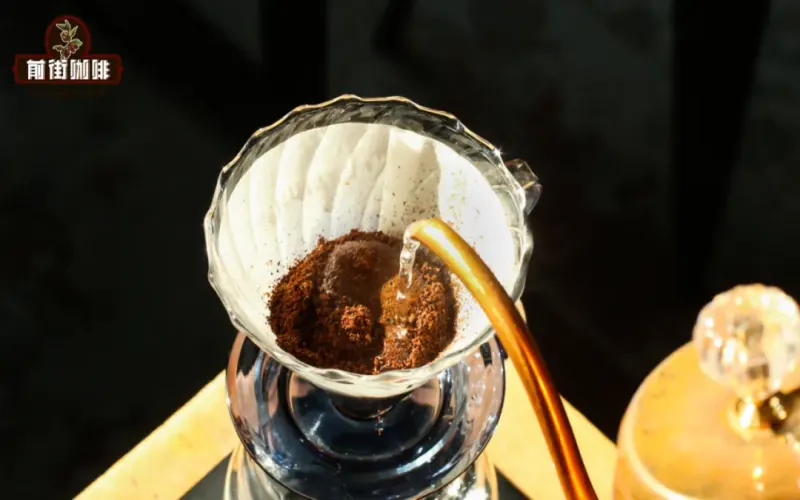
How long should the blooming time be for pour-over coffee? A detailed explanation of pouring techniques and the effect of blooming water volume on extraction
Blooming is an indispensable pre-wetting step before extraction in pour-over coffee, and it directly affects the efficiency with which flavor compounds are released afterward. However, the amount of water used for blooming, the pouring method, and the waiting time all influence the taste in the final cup. Starting from the structural characteristics of the cone-shaped dripper, this article introduces two pouring techniques that allow hot water to evenly saturate the coffee grounds, and teaches you how to flexibly adjust the blooming duration by observing the state of the coffee bed. Whether you are a beginner just getting into pour-over or an enthusiast looking to refine your technique, you will find practical tips here. The article also combines Front Street Coffee's brewing experience and product examples to help you more intuitively understand the criteria for judging a perfect bloom. [more…]
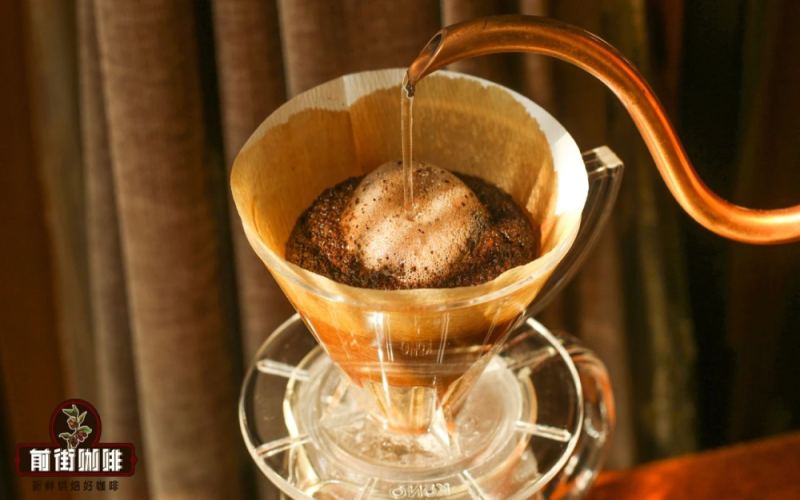
Pour-over Coffee Brewing Techniques | How Important Is Blooming to Pour-over Coffee? How Much Water and How Long for Coffee Blooming? How to Judge the Blooming Process?
Blooming is an important step in brewing coffee, and there's a popular saying that "you can tell if a coffee will taste good just by looking at its bloom." So when people learn to brew coffee, they intentionally or unintentionally "perfect" a flawless "coffee burger." But if you understand the logic behind blooming, you'll discover that blooming is actually [more…]
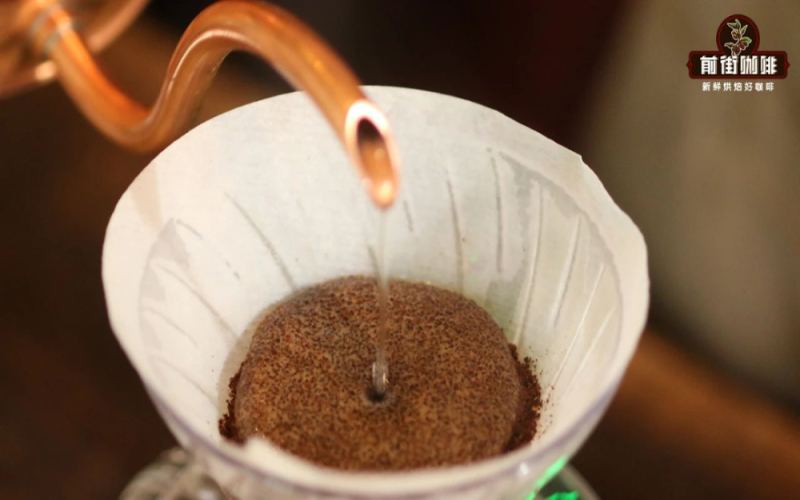
A Complete Guide to Three-Pour Hand-Brewed Coffee: Blooming Techniques, Water Distribution, and V60 Practical Guide
The three-pour method is one of the most classic and highly regarded extraction techniques in pour-over coffee. By splitting the total water volume into three pours and including two interruptions in between, it adjusts the proportion of flavors from the front, middle, and back ends of the coffee. Starting from the principles of staged pouring, this article breaks down the blooming step in detail and the logic behind water distribution for each stage. Using 15 grams of Front Street washed Yirgacheffe with a Hario V60 dripper as an example, it provides a complete demonstration of the three-pour pour-over process and parameter settings, helping coffee enthusiasts master this brewing method that balances harmony and complexity. [more…]

An In-Depth Analysis of Pour-Over Coffee Stirring Techniques: From Champion Methods to Extraction Effects
In the process of pour-over coffee, the action of stirring the coffee bed has attracted increasing attention from enthusiasts in recent years. Some hope to enhance the sweetness and flavor layers of coffee through stirring, while others remain skeptical of its effects. This article, from the perspective of Front Street, reviews the origins and representative figures of stirring techniques, analyzes the different roles of stirring during the blooming stage and the main extraction stage, and, combined with practical comparative experiments, explores the impact of stirring on extraction results, as well as issues that need attention such as fine particle clogging and bean quality, helping coffee enthusiasts make a more rational judgment on whether to stir and how to stir. [more…]
A Practical Guide to Pour-Over Coffee: Analyzing the Blooming Principle and Comparing Continuous vs. Pulsed Pouring Techniques
The charm of pour-over coffee lies in extracting rich flavors from coffee grounds with a simple pouring action. This article starts with the function of the dripper, first explaining why blooming is important—too much water will dissolve off-flavors and astringency along with it, while too little water will lead to insufficient extraction. Then, using Kenya Asali beans as an example, with a grind size of BG 5M, water temperature of 91°C, a coffee-to-water ratio of 1:13, and pre-infusion of 40-45ml/30-35 seconds, it compares in detail two common techniques: the continuous-pour method, which uses a steady thin stream to draw circles from the inside outward and finishes in about two minutes, yielding balanced acidity and sweetness with a long caramel finish, but a slightly flat body and flavor; and the pulse-pour method, which pours in stages, using large and small streams for the first two pours to agitate the coffee grounds and increase acidity and sweetness extraction, then switching to a submerged, non-agitating final pour to avoid pronounced bitterness, bringing the flavor up from raisin to blackcurrant juice, though with a shorter and weaker aftertaste. The article also includes relevant recommendations from Front Street Coffee, suitable for coffee enthusiasts to refer to. [more…]
A Complete Guide to Pour-Over Coffee Brewing: Blooming Techniques, the Coffee Wall Principle, and Step-by-Step Tutorial on Controlling Extraction Water Volume
The flavor expression of pour-over coffee often depends on the details of blooming, pouring rhythm, and extraction volume control. This article starts with why the blooming area should be controlled to the size of a nickel, and gradually analyzes the connection between coffee particle degassing and space recovery, the formation and role of the coffee wall, and how to judge the timing of the second pour under different degassing states. It also explains the reference value of a 1:15 water-to-coffee ratio and ways to adjust it, and includes a pour-over video tutorial and practical Front Street Coffee product recommendations to help coffee enthusiasts systematically master the pour-over brewing steps and core essentials. [more…]
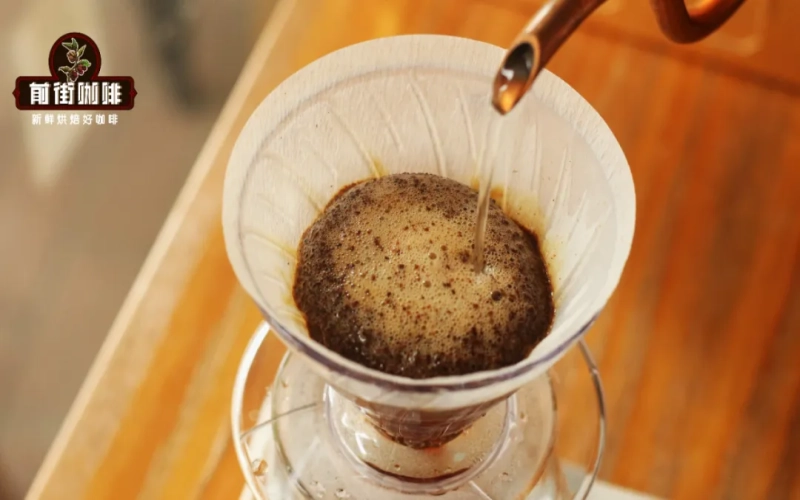
What are the advantages of the stirring blooming method in pour-over coffee? An in-depth analysis of the practical techniques of the Mad Barista stirring method
In the world of pour-over coffee, the agitation method is a more aggressive extraction technique than water-stream agitation. It acts directly on the coffee bed through a tool, accelerating the release of soluble flavor compounds. Front Street Coffee shared this method last year, but did not elaborate on the specific steps. This article will systematically sort out the three major application scenarios of the agitation method—the blooming stage, remedial action when extraction efficiency is insufficient, and its use when actively adjusting parameters—and provide an in-depth analysis of the key details to note when using agitation, such as grind size, agitation force, and number of agitations, helping coffee enthusiasts master this technique more precisely. [more…]
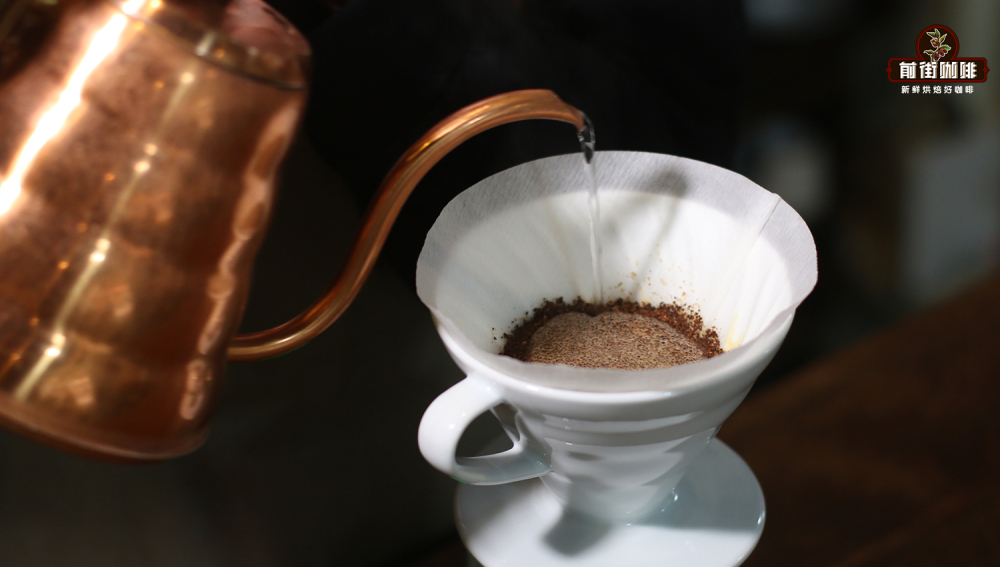
Pour-over Coffee Brewing Techniques and Tips Tutorial | How Much Coffee Powder for a Single Serving of Pour-over Coffee? Sharing the Pour-over Recipe and Parameters for Colombia Finca La Divisa Sidra
For more specialty coffee knowledge, please follow: Front Street Coffee (FrontStreet Coffee). Every day at Front Street Coffee, we encounter customers asking about pour-over coffee, perhaps about what pouring technique should be used for pour-over coffee? Or [more…]
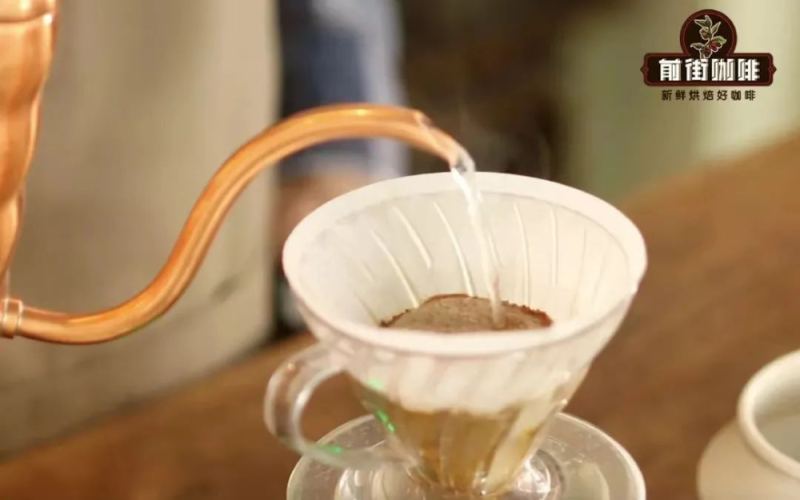
How Long Should the Bloom Last in Pour-Over Coffee? A Complete Analysis from Degassing Principles to Practical Timing
Blooming is an indispensable step in pour-over coffee, and it directly affects the flavor expression in the final cup. Many enthusiasts know they should bloom, but are confused about how long to bloom, why to bloom, and how to adjust under different circumstances. Starting from the principle of carbon dioxide hindering flavor release, this article divides blooming into three states—insufficient, excessive, and moderate—and explains their manifestations and consequences respectively, then further discusses the influence of resting period length, roast level differences, and pouring technique on blooming duration. Front Street will also share how, in actual brewing, it flexibly adjusts the blooming seconds according to the bean's condition, helping you find a rhythm more suitable for the bean at hand beyond the general 30-second suggestion. [more…]
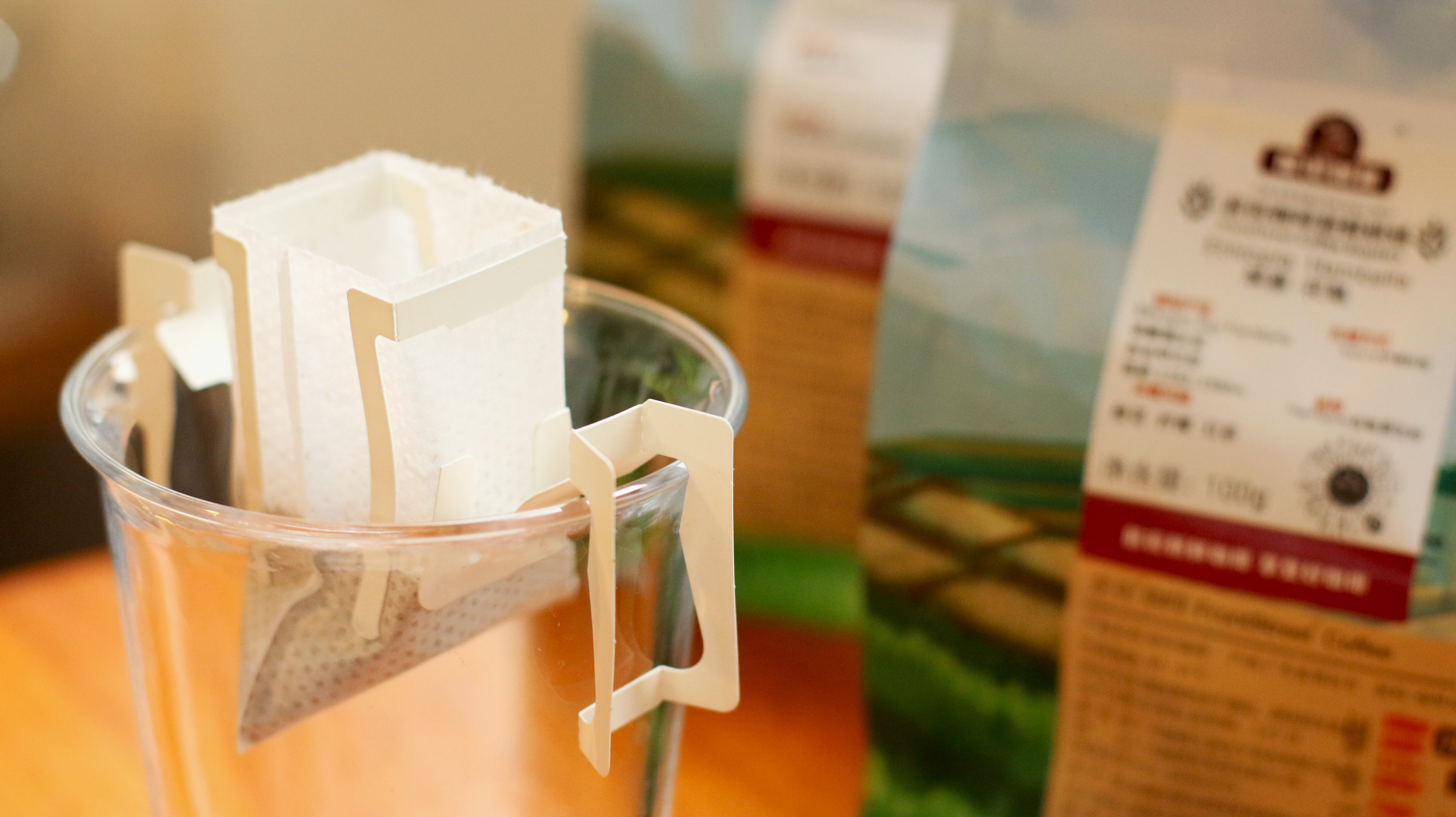
The Complete Guide to Brewing Drip Coffee Bags: The Blooming Step, Pulsed Pouring Techniques, and Front Street Product Recommendations
Drip bag coffee, with its combination of portability and flavor, has become a daily choice for many coffee lovers. But once the beans are ground, how exactly should it be brewed? Should you pour water first to bloom the grounds, or pour directly? This article will explain in detail the pros and cons of drip bag coffee, drinking recommendations, brewing parameters, and segmented pouring techniques. Using 10g Front Street Coffee drip bags as an example, it will explain the coffee-to-water ratio, water temperature control, and the four-stage pouring rhythm. It will also introduce the flavor differences among Front Street drip bags from different regions, helping readers choose the right product according to their personal taste and consistently brew a layered, portable version of pour-over coffee at home. [more…]
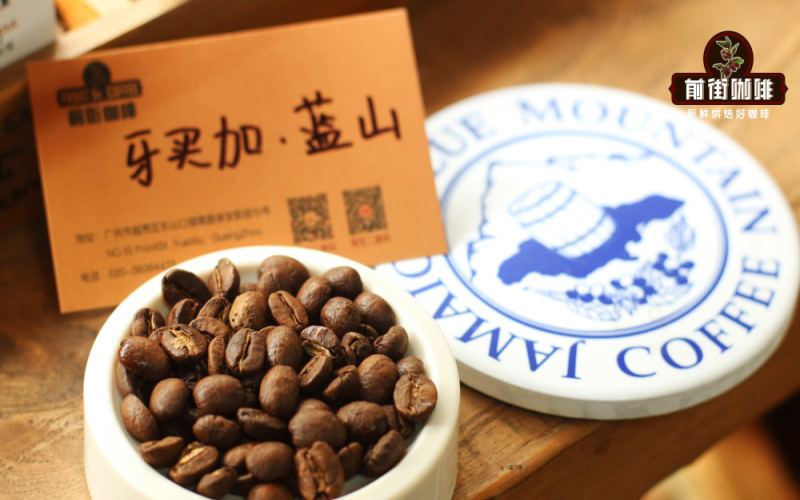
Pour-over Coffee Brewing Details | How to Brew Single-Origin Beans Once Ground? Is Blooming Necessary for Pour-over? An Introduction to Pour-over Coffee Pouring Techniques and Extraction Parameters
After patiently listening to the barista's explanation and painstakingly choosing a bag of coffee beans to take home, you also "follow the same pattern" according to the brewing suggestions, only to find that the coffee you brew is vastly different from what you drank in the shop. You think it over and over, but still can't figure out where the problem lies... This is very likely caused by overlooking a certain detail. [more…]
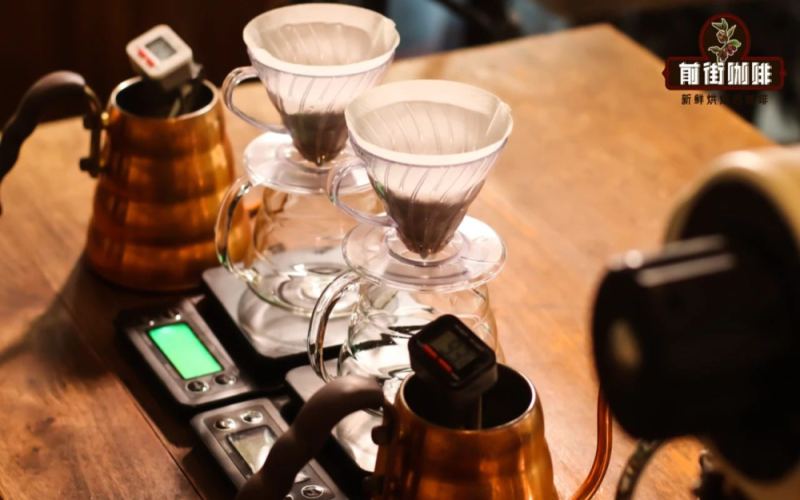
Pour-Over Coffee Techniques Explained | What Is the One-Pour Method? How Does It Differ from the Three-Stage Pour? Which Brews a Better Black Coffee?
For more specialty coffee knowledge, please follow: Front Street Coffee (Frontsteet Coffee). One of the great joys of pour-over coffee is using different brewing techniques to interpret a cup of coffee. And as for pour-over methods, I believe everyone pays close attention. So the most widely spread pour-over technique at present is the one-pour method. [more…]
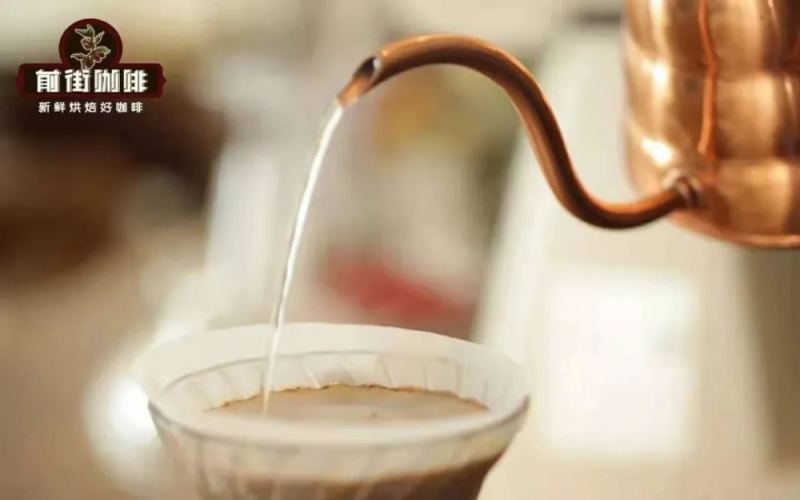
A Detailed Guide to Six Pour-Over Coffee Brewing Techniques: One-Pour, Three-Stage, 4:6 Method, Variable Temperature, Volcano Pour, and Stirring Method
The charm of pour-over coffee lies in the diversity of brewing methods, as different pouring techniques bring out entirely different flavor expressions. This article systematically sorts through six common pour-over techniques—single-pour, three-stage, 4:6 method, Santuario variable-temperature brewing, volcano pour, and stirring method—analyzing each one by one from the logic of pouring, parameter ratios to flavor characteristics, and explaining their respective applicable scenarios and operational difficulties. Using specific parameters such as 15g coffee to 225ml water and 20g coffee to 300ml water as examples, the article helps readers understand the extraction principles behind each technique. At the same time, it retains Front Street Coffee's practical experience with the three-stage method and grind adjustment for coffee enthusiasts to refer to and compare. [more…]
What Is Pre-Infusion in Espresso? Principles, Techniques, and Extraction Time Reference
In pour-over coffee, blooming is an almost indispensable step, as it helps release carbon dioxide and makes subsequent extraction more stable. So in the high-pressure extraction of espresso, is a similar "blooming" also needed? The answer is pre-infusion. This article will start from the definition of pre-infusion, the applicable equipment, and the logic for adjusting duration and pressure, combining the two major issues of fresh bean degassing and channeling to explain the practical role of pre-infusion. Then, using Front Street Coffee's Warm Sun blend as an example, it will use the Lelit Bianca V3 to conduct comparative extractions with and without pre-infusion, presenting differences in crema condition, flavor layers, and flow rate, to help coffee enthusiasts understand the value of pre-infusion in espresso output. [more…]
Mandehling Coffee Pour-Over Guide for Beginners: Coffee-to-Water Ratio, Blooming Techniques, and Golden Mandehling Brewing Guide
Mandheling coffee is famous for its rich, full-bodied taste and intense aroma, combining soft acidity with a deep, lingering bitterness, and is regarded by many enthusiasts as one of the most romantic coffees. This article is aimed at coffee lovers who want to easily recreate the flavor of Mandheling at home, breaking down in detail the simple equipment needed for pour-over, the key points for selecting coffee beans, and the complete process from grind size and water temperature control to the three-stage pouring technique. It especially shares the recommended coffee-to-water ratio and blooming time for Golden Mandheling, along with practical tips for reducing acidity and stabilizing flavor. Whether you are a beginner just getting into pour-over or a seasoned enthusiast looking to refine your skills, you will find operational details you can put to use right away. [more…]
A Detailed Guide to Pour-Over Coffee Extraction Techniques: A Complete Guide to Grind Size, Coffee-to-Water Ratio, and Water Temperature Parameters
Pour-over coffee seems simple, but in reality it involves countless variables—from the roast level of the beans to the coarseness of the grind, from water temperature to pouring technique, every step affects the final flavor. This article systematically breaks down the core technical points of pour-over coffee: grinding coarseness and water temperature strategies for different roast levels, the key techniques for stable circling and gentle pouring, when to use the water-interruption technique, and how to judge whether extraction is even by observing the state of the coffee bed. Whether you're a beginner just starting out or an enthusiast looking to refine your technique, you'll find practical guidance here. [more…]
An Analysis of the Seven Major Pour-Over Coffee Schools: A Full Comparison of Brewing Techniques Including the One-Pour and Three-Pour Methods
The charm of pour-over coffee lies not only in the flavor itself, but also in the ever-changing brewing techniques. In coffee enthusiast circles, there are seven major brewing schools: volcano pour, meteor pour, one-cut pour, three-cut pour, tamped pour, stirring method, and drip pour. Except for the drip pour, all the other methods use circular pouring. Each school has its own unique extraction logic and flavor orientation—some pursue layering, some emphasize sweetness, and some are better suited for enthusiasts to explore. This article breaks down the key operational points, pros and cons, and suitable scenarios for each method one by one, and includes practical advice from Front Street Coffee to help you find the style that suits you best in your daily brewing. [more…]

How Many Times the Coffee Dose Should the Blooming Water Be for Pour-Over? A Practical Comparison of 2x vs. 4x and a Detailed Explanation of the 30-Second Blooming Principle
The blooming phase in pour-over coffee seems simple, yet the choice of water amount often sparks debate: some insist on twice the coffee dose in water, while some shops advocate that four times the water amount allows for more even degassing. Front Street Coffee conducted a controlled experiment using an Ethiopian Chaka bean, fixing the dose at 15g, the coffee-to-water ratio at 1:15, the water temperature at 92°C, the grind size at a 75%~80% passing rate through a No. 20 sieve, and the total time at 2 minutes, changing only the blooming water amount (30ml vs 60ml), then comparing the differences between the two brews through sensory evaluation and concentration meter measurements. The results showed that the coffee bloomed with twice the water amount had a concentration of 1.54% and an extraction yield of 21.2%, with a richer and more solid flavor; the one bloomed with four times the water amount came in at 1.48% and 20.36%. The article further explains the principle of degassing during blooming, why conventional brewing defaults to twice the water amount, and why special techniques such as the stirring method require more water for blooming, helping you find a blooming strategy that suits you. [more…]
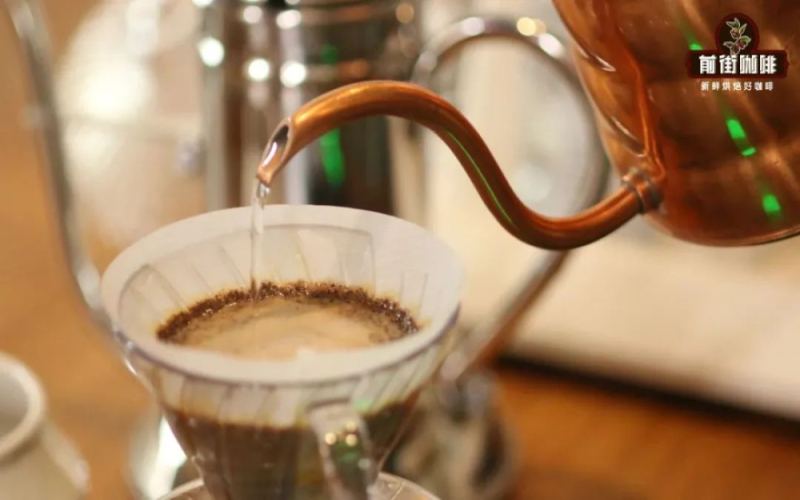
Analysis of the Differences Between One-Pour and Three-Pour Hand Brewing: How Pouring Technique Affects Coffee Flavor and Extraction
There are many ways to pour water when making pour-over coffee, and among them the one-pour method and the three-stage method are two common yet strikingly different techniques. The one-pour method originates from Japanese swordsmanship; it looks simple to perform, but places extremely high demands on water-flow control. The three-stage method, by contrast, extends the extraction time through staged pouring, enhancing the layers of flavor. This article uses a comparative experiment at Front Street Coffee, using the same washed Yirgacheffe beans, brewed with the one-pour method and the three-stage method respectively, to analyze the differences between the two in the shape of the coffee bed, flavor performance, and extraction time, and to explore why the three-stage method is more favored by baristas. Whether you are a beginner or an advanced player, understanding the core points of these techniques can help you flexibly choose according to the beans and parameters, and brew a more satisfying cup of coffee. [more…]
A Beginner's Guide to Pour-Over Coffee: A Complete Analysis from Equipment Preparation to Pouring Techniques
Pour-over coffee has become the preferred brewing method for many coffee lovers thanks to its ease of learning and its ability to fully showcase the flavors of single-origin beans. This article breaks down the complete pour-over process and key techniques in detail, from equipment preparation, filter paper treatment, and coffee grounds distribution, to water temperature control, blooming, and staged pouring. Whether you are a beginner just getting into pour-over or an advanced brewer looking to refine your technique, you will find practical references here. At the same time, the article also specifically mentions product information related to Front Street Coffee for interested readers to learn about. [more…]